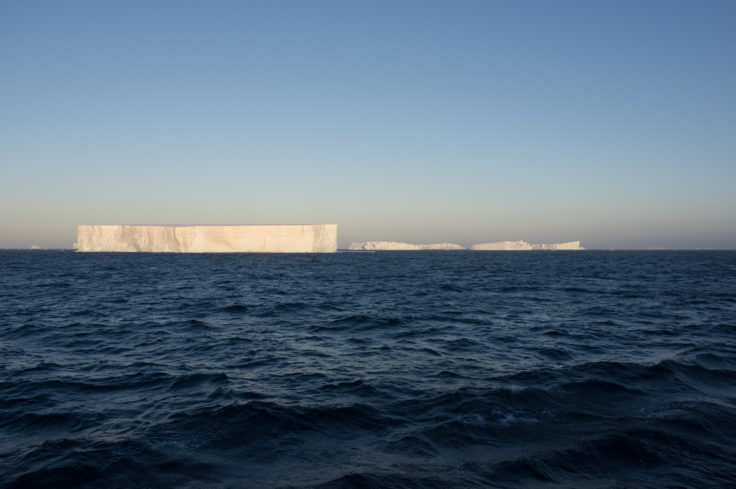
Grim outlook for Antarctica’s Thwaites Glacier
New science briefing summarises results of the ambitious international collaboration to study Antarctica’s most worrying glacier

109 to 120 of 1399 results
New science briefing summarises results of the ambitious international collaboration to study Antarctica’s most worrying glacier
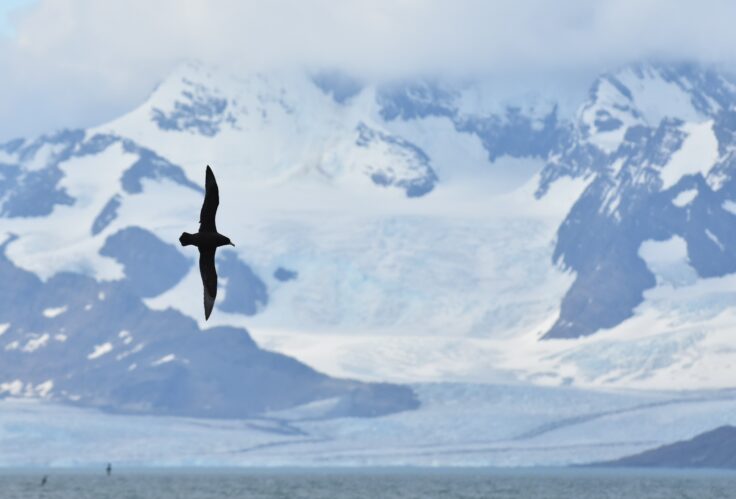
Antarctica’s rapidly receding sea ice could have a negative impact on the food supply of seabirds that breed hundreds of miles away from the continent.
Your name will go on a journey to the frozen wilderness!
New project seeks to inspire, educate and entertain the public about Antarctica.
Cambridge researchers are set to explore the uncharted depths of life in the extreme cold, with findings that could reshape our understanding of biology and pave the way for future scientific breakthroughs.
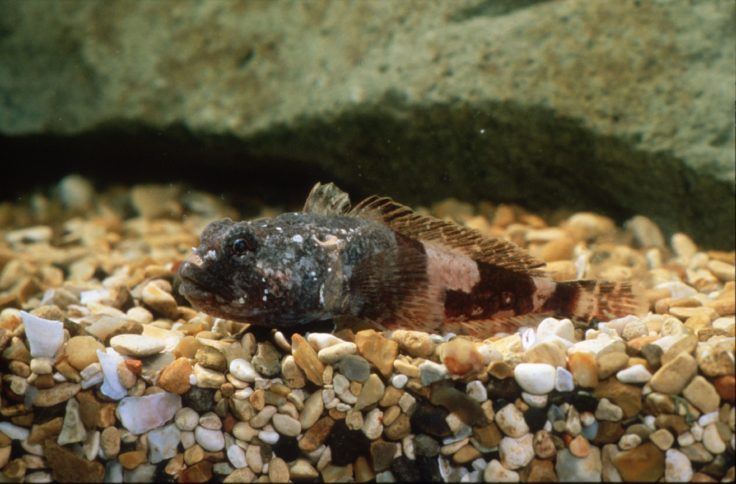
An international team of scientists, including a researcher from British Antarctic Survey (BAS) has, for the first time, successfully measured a planet-wide electric field thought to be as fundamental to Earth as its gravity and magnetic fields.
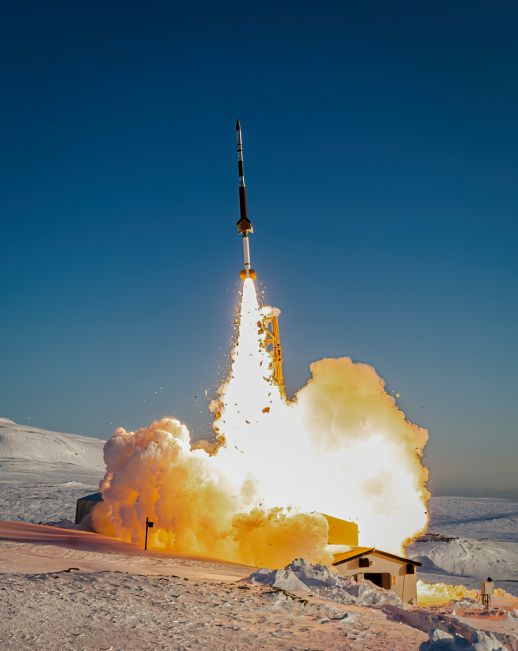
For the first time, the British Antarctic Survey (BAS) are publishing their carbon footprint data on their website to increase transparency and help other organisations reduce their carbon emissions.
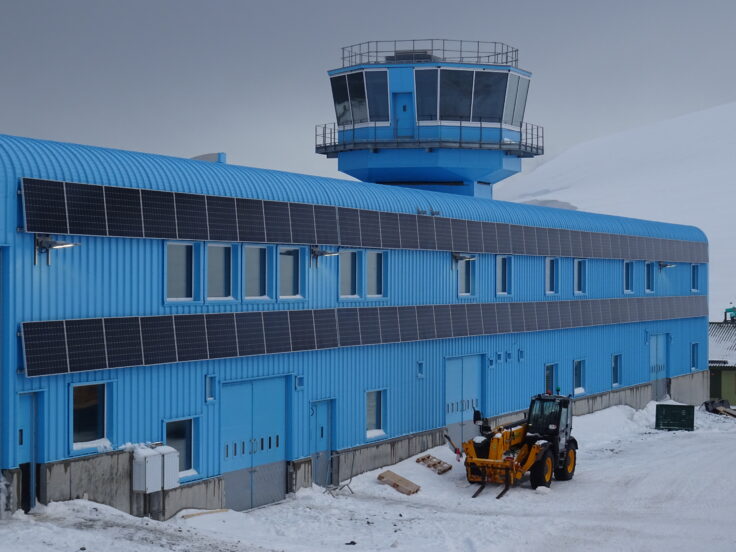
The first continent-wide mapping study of plant life across Antarctica reveals growth in previously uncharted areas, and is set to inform conservation measures across the region.
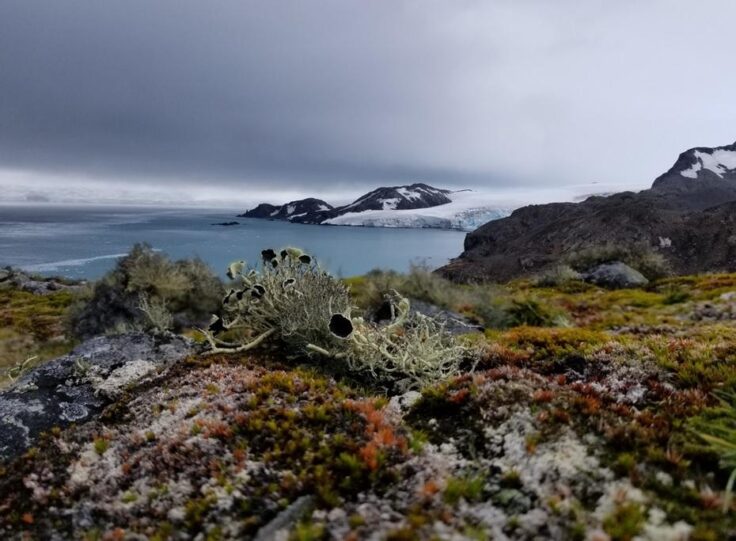
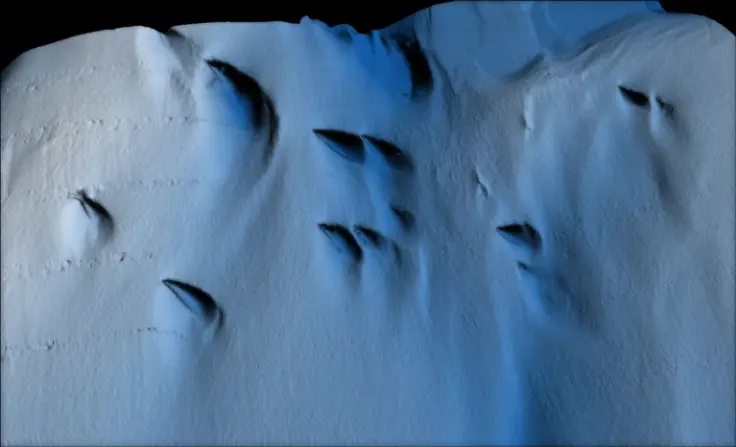
An international research team deployed the uncrewed submersible ‘Ran’ underneath 350 m thick ice. They got back the very first detailed maps covering extensive areas of the underside of a glacier, revealing clues to future sea level rise.
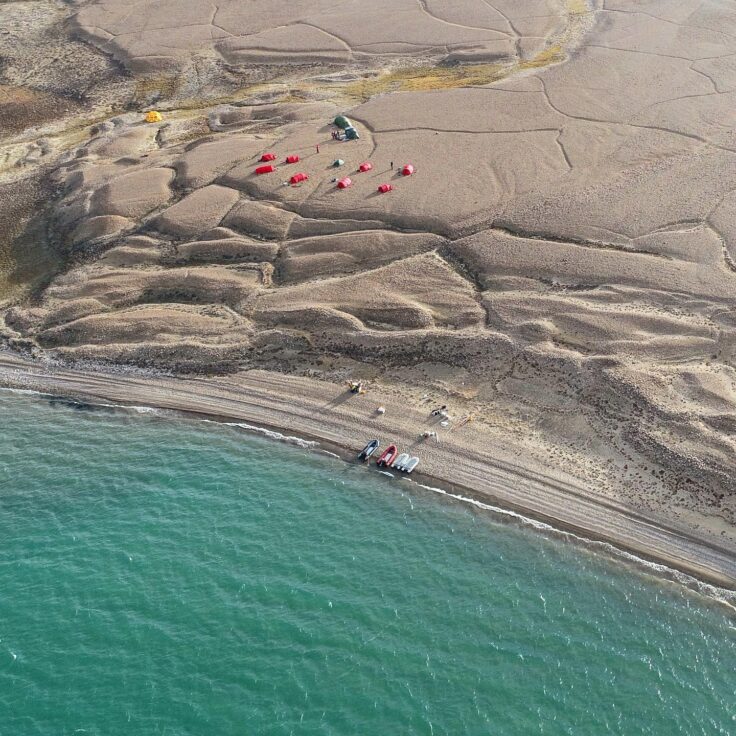
An interdisciplinary team of researchers is heading back to Greenland this week (30 July) for the second phase of the Wandel Dal Project.
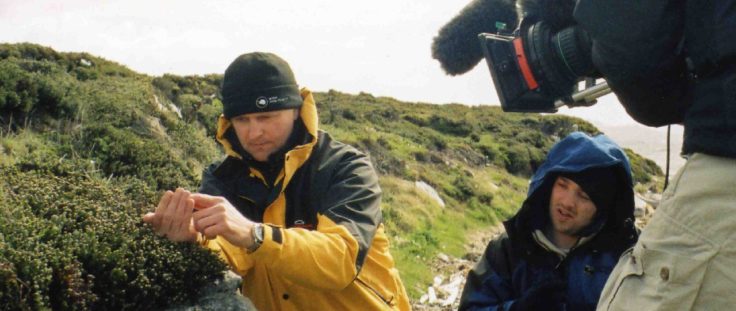
Professor Lloyd Peck FRS, Science Leader and marine biologist at British Antarctic Survey, has been announced as the 2024 recipient of the SCAR Medal for Excellence in Antarctic Research.
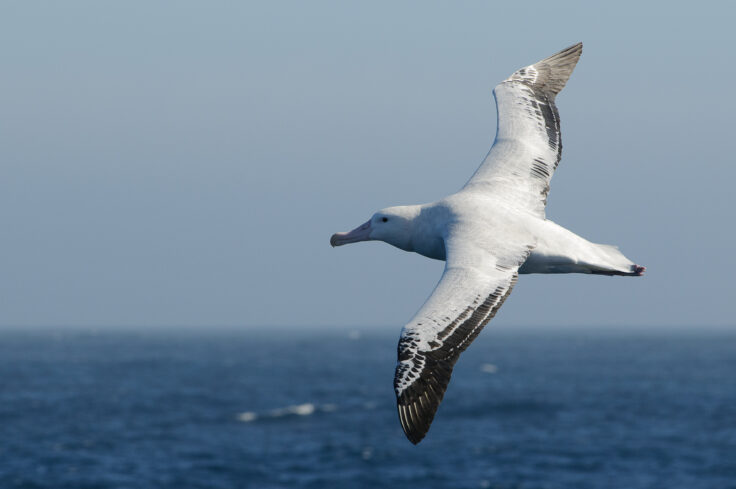
Seabirds are among the most threatened creatures globally, often due to incidental mortality (bycatch) in fisheries.
Scientists have for the first time taken in-situ ocean measurements during the collapse of a giant iceberg in the sub-Antarctic