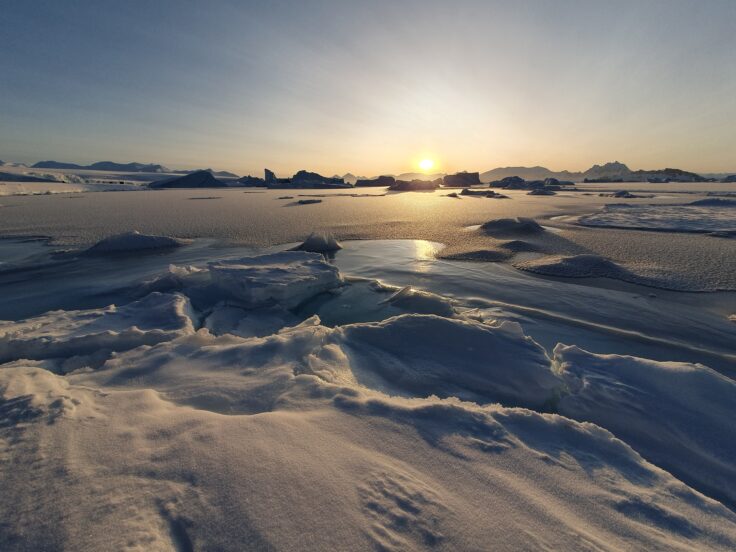
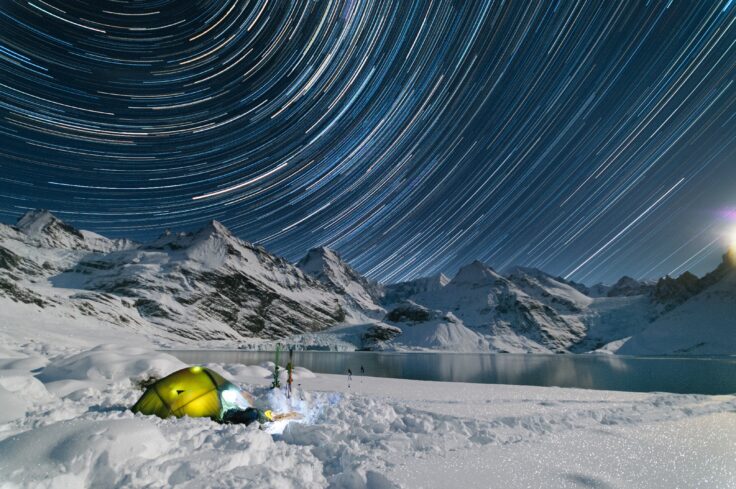
Greenland science expedition aims to unveil critical climate insights
A team will work in south-east Greenland to advance our understanding of the region’s rapidly decaying ice sheet and its impacts on ocean and global climate systems.


121 to 132 of 1399 results
A team will work in south-east Greenland to advance our understanding of the region’s rapidly decaying ice sheet and its impacts on ocean and global climate systems.
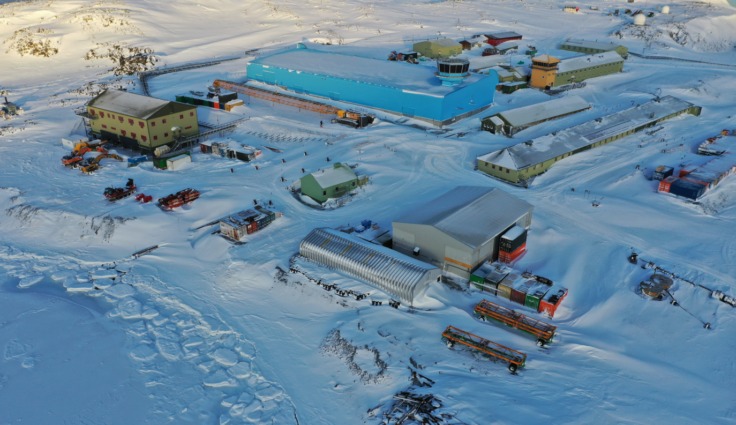
Construction teams have completed significant stages of the British Antarctic Survey’s (BAS) Antarctic Infrastructure Modernisation Programme and joined the over-wintering staff for the first time as the 2023/24 summer season ended.
For the first time, researchers, including from British Antarctic Survey, have combined unique geological samples with sophisticated modelling to provide surprising insights into when and where today’s East and West Antarctic ice sheets formed.
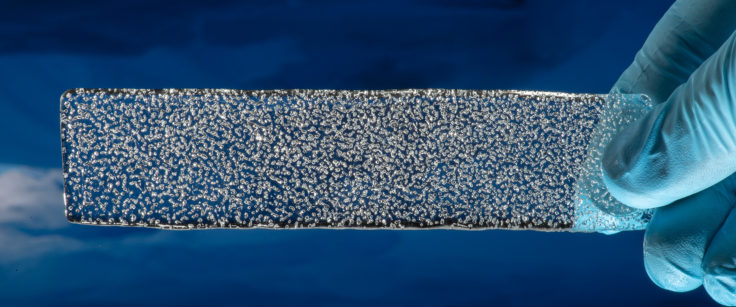
Climate scientists from University of Cambridge and the British Antarctic Survey will be at the 2024 Royal Society Summer Science Exhibition, showcasing how they are using Antarctic ice cores to unlock the past and uncover clues to our planet’s future.
Warm water that seeps underneath can melt ice in way not yet included in models
A new and worrying way that large ice sheets can melt has been characterised by scientists for the first time. The research focuses on how relatively warm seawater can lap at the underside of ground-based ice, which can accelerate the movement of the ice into the ocean.
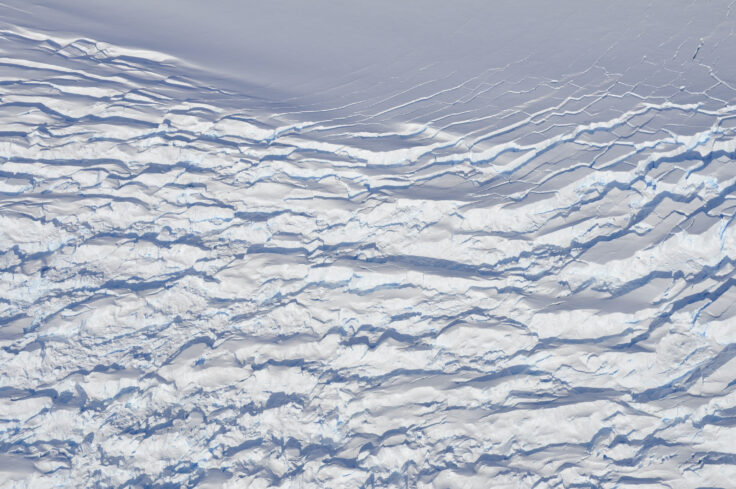
Today (21 June) marks the longest night in Antarctica and a very special Midwinter’s Day with 47 people or ‘winterers’ living and working at British Antarctic Survey’s (BAS) three winter stations: Rothera on the Antarctic peninsula, and King Edward Point and Bird Island on South Georgia and the South Sandwich Islands.
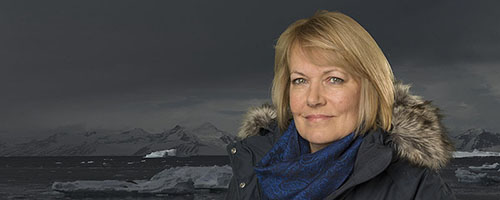
Professor Dame Jane Francis, renowned palaeoclimatologist and Director of the British Antarctic Survey, has been elected as President of the Royal Geographical Society (with IBG).
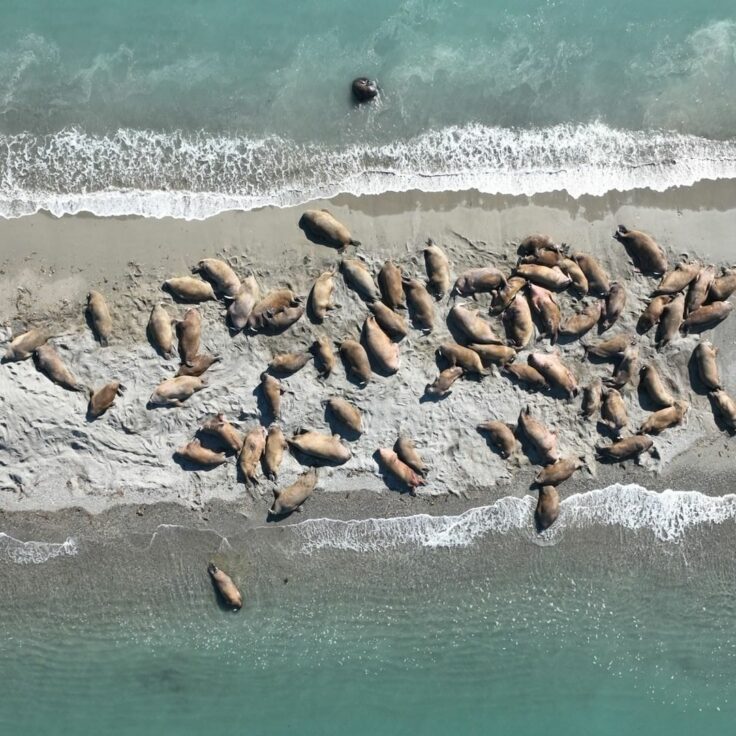
In the first successful attempt to calibrate walrus counts from satellite imagery, scientists used drones to validate animal counts in Svalbard, Norway.
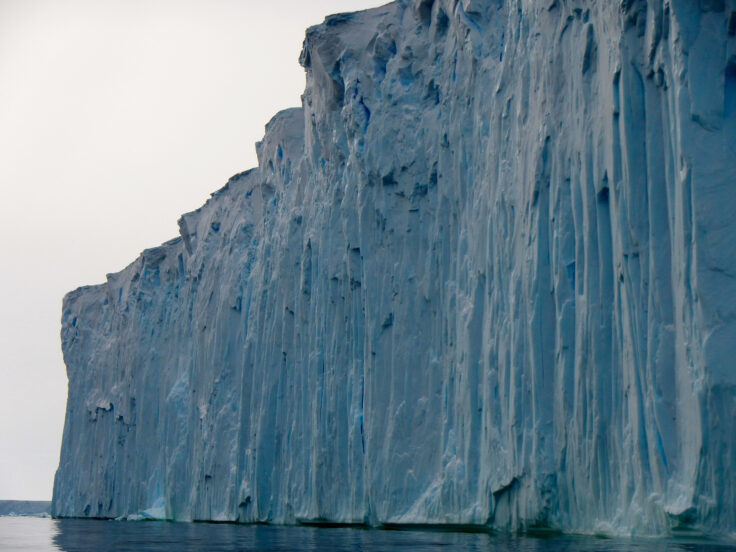
New iceberg, the size of the Isle of Wight, is expected to be called A-83

Scientists at the British Antarctic Survey (BAS) have found that the record-low levels of sea ice around Antarctica in 2023 were extremely unlikely to happen without the influence of climate change.
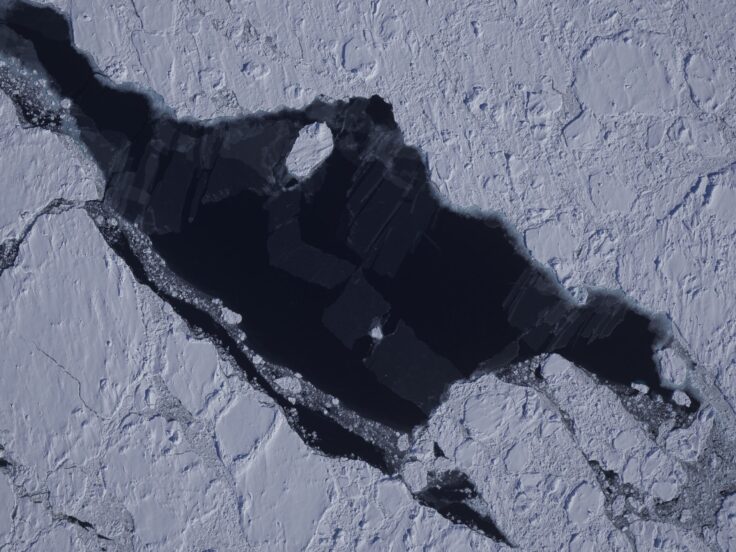
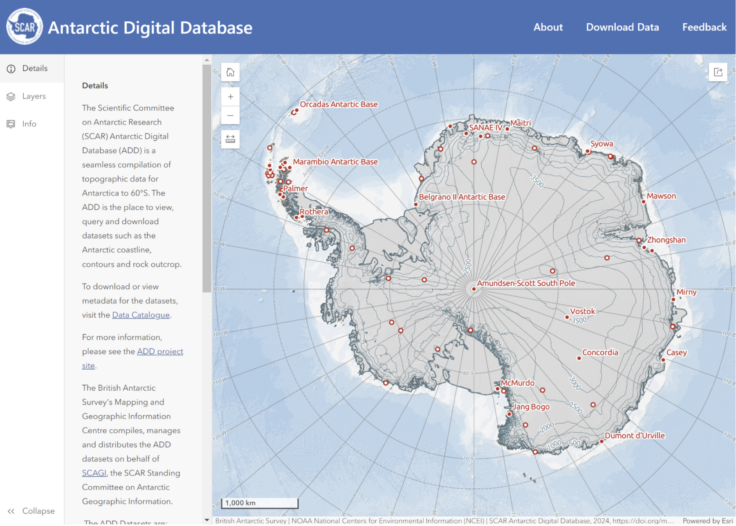
Comprehensive digital maps of Antarctica are now available to all, following the latest update of the Antarctic Digital Database.
The 2023/4 Antarctic field season has wound up and the last of the summer teams are aboard the RRS Sir David Attenborough and heading for home.